Prepare Your Ontario Home for Winter: October Maintenance Essentials
Prepare your Ontario home for winter with essential October maintenance tips, including furnace, insulation, and outdoor winterization.
As autumn leaves carpet Ontario neighbourhoods, the unmistakable crisp October air reminds us that cold weather is right around the corner. While seasonal chores like raking leaves and putting away patio furniture are on everyone's radar, winterizing your home before the first deep freeze is critical. A proactive October maintenance routine protects your property value, prevents costly emergency repairs, and keeps your utility bills manageable through the long Canadian winter. If you're considering a move this season, explore our local listings to discover properties that could be your next home.
Prioritizing Your Heating and Mechanical Systems
Your HVAC system works tirelessly throughout the Ontario winter, making autumn the ideal time to schedule professional furnace maintenance. A certified technician will inspect electrical components, verify heat exchanger integrity, clean burner assemblies, and test safety controls. Replacing dirty furnace air filters ensures maximum airflow, prevents your heating system from overworking, saves energy, and keeps your home comfortably warm.
Do not overlook your fireplace and chimney systems. Wood-burning fireplaces and chimneys build up creosote over time, which can pose a serious fire hazard if left unaddressed. Have a certified chimney sweep remove soot deposits, inspect the flue liner, and verify that the chimney damper seals tightly. For gas fireplaces, clean off internal glass dust, test the pilot light, and ensure clear vent lines to avoid carbon monoxide hazards.
Protecting Plumbing from Sub-Zero Freezes
Plumbing repairs top the list of preventable winter disasters for Ontario homeowners. When trapped water freezes in exterior pipes, it expands and can split copper or PEX lines, causing devastating interior flooding when temperatures thaw.
Start outdoors by disconnecting all garden hoses, draining any remaining water, and storing them indoors. Turn off the interior shut-off valves connected to outdoor hose bibs, then open the exterior spigots to drain lingering water completely. If your property has an underground irrigation system, schedule a professional compressed-air blow-out to clear supply lines before ground temperatures plunge. Indoors, insulate exposed water pipes in unheated basements, crawlspaces, or attached garages using foam pipe sleeves.
Sealing the Thermal Envelope and Air Leaks
Drafts are more than minor comfort disruptions; they let warm air and money escape through your home's cracks. Draftproofing windows and doors is one of the most cost-effective ways to lower winter heating costs.
Examine door frames and window perimeters for cracked, missing, or hardened caulking, and apply fresh exterior-grade sealant where needed. Replace worn weatherstripping around exterior doors to stop cold air infiltration. If you have older double-hung or single-pane windows, installing temporary clear plastic window insulation kits provides an affordable, highly effective thermal barrier. Also, check attic insulation levels to ensure adequate heat retention and prevent warm indoor air from rising and melting snow on the roof.
Fortifying the Roof, Gutters, and Exterior Shell
Your home's exterior shell takes the brunt of Ontario's severe freeze-thaw cycles, heavy snowfall, and ice storms. Preparing these surfaces now prevents structural damage from moisture intrusion.
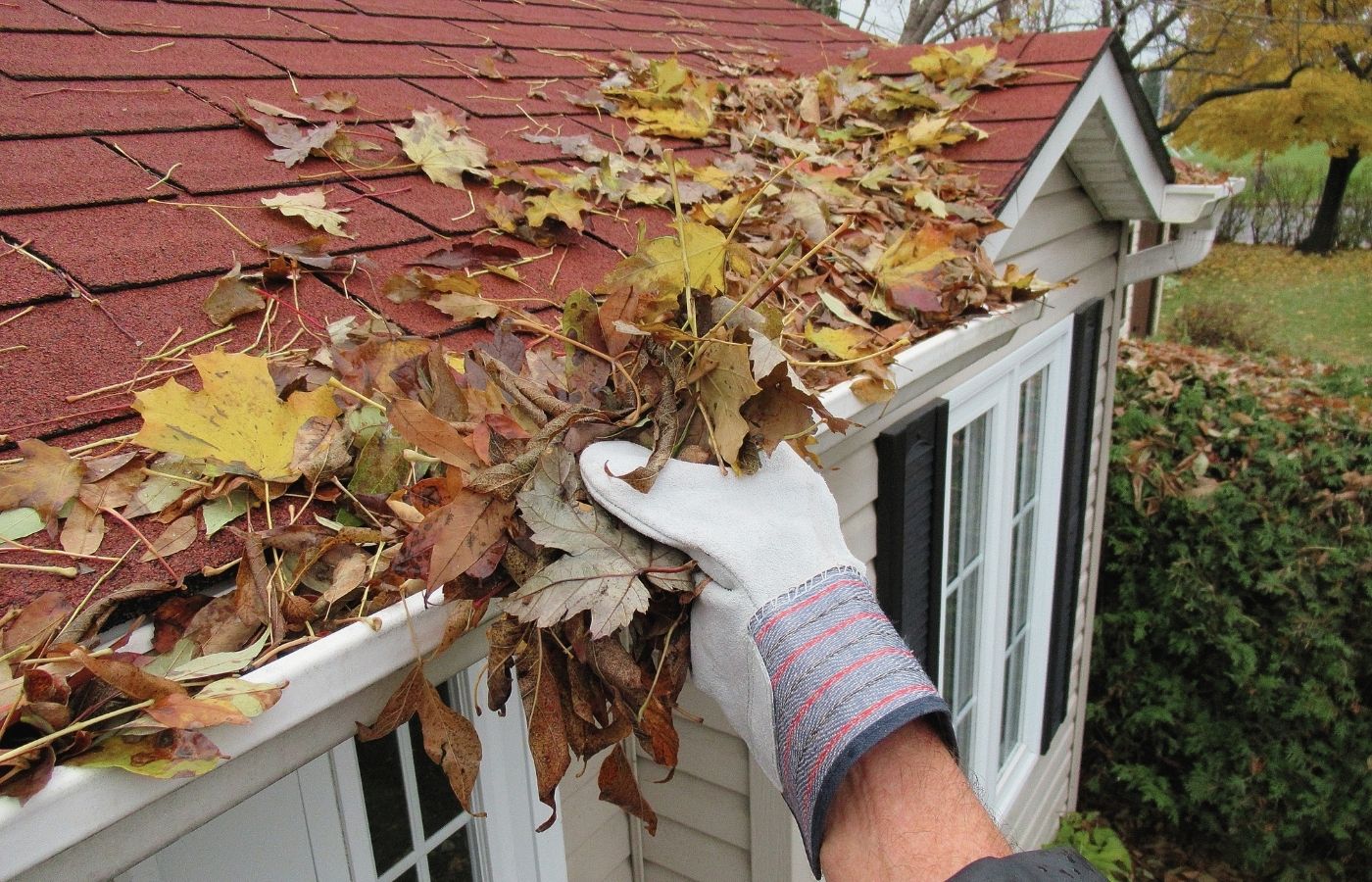
Clear leaves, pine needles, and debris from eavestroughs and downspouts. Clogged gutters trap rainwater, which freezes into heavy ice dams along the roofline. Ice dams force melting snow back under shingles, causing serious ceiling leaks and structural wood rot. Extend downspouts at least six feet away from your foundation to direct snowmelt away from basement walls. While working outside, inspect roof shingles for lifting, cracking, or damage, paying close attention to flashing around chimneys and roof vents. Finally, trim back overhanging tree branches that could snap under heavy ice loads and damage your roof or utility lines.
Indoor Safety Checks and Energy Efficiency Upgrades
Shorter days and sealed homes bring unique indoor safety considerations. Test all smoke detectors and carbon monoxide alarms throughout your home, and replace batteries or the entire unit if it's older than ten years. Carbon monoxide risks rise sharply in winter because of running furnaces, fireplaces, and vehicle use in attached garages, so working detectors are essential.
Take time to reverse your ceiling fans to run clockwise at low speeds. This gentle updraft pushes warm air that naturally rises toward the ceiling back down into your living spaces, improving heat distribution and reducing furnace run time. Lastly, swap your standard thermostat for a programmable or smart thermostat so you can automatically lower temperatures overnight or while you're away at work.
Leveraging Energy Rebates and Government Incentives
While winterizing your property protects your structural investment, available energy-efficiency incentives can significantly offset maintenance costs. Ontario homeowners facing rising utility expenses can access provincial programs that make winterization much more affordable. Aligning your fall maintenance routine with current rebate opportunities lets you upgrade your home's thermal performance while keeping more money in your pocket.
Through Ontario's Home Renovation Savings program, property owners can qualify for substantial financial incentives when completing qualifying winterization retrofits. If your October home inspection reveals an aging, inefficient heating system, upgrading to a cold-climate air-source heat pump can yield rebates up to $7,500. For homes needing structural thermal updates, insulation improvements in attics, exterior walls, and exposed basements qualify for up to $7,700 in combined rebates. Even smaller upgrades, such as air sealing to eliminate stubborn drafts, installing smart thermostats, or replacing drafty windows with high-efficiency models, carry individual incentives that offset initial equipment and installation costs.
To maximize these savings, always verify program requirements before starting any major work. Some bundled measures require an initial energy assessment by a registered energy advisor before installation. At the same time, standalone upgrades like smart thermostats can often be claimed directly. Also, partnering with certified participating contractors helps ensure all installations meet strict provincial eligibility guidelines. Combining seasonal maintenance with these lucrative energy retrofits lowers your monthly utility bills, improves day-to-day comfort during severe cold snaps, and boosts your home's resale value in Ontario's competitive real estate market.
Schedule Your Fall Maintenance for Total Peace of Mind
Investing a few hours in home maintenance every October pays big dividends in comfort, energy savings, and property protection throughout the winter. By systematically addressing your furnace, plumbing, roof structure, and insulation, you help keep your home warm and secure, no matter what winter throws your way.
If you are planning to buy, sell, or assess your property's value in today's evolving Ontario real estate market, reach out to our team. Contact us now to book a personalized strategy session and move forward with complete confidence.
Published courtesy of Royal LePage® Royal City Realty on Oct 27th, 2026